
Subdividing Land in Mexico: What Buyers and Developers Need to Know
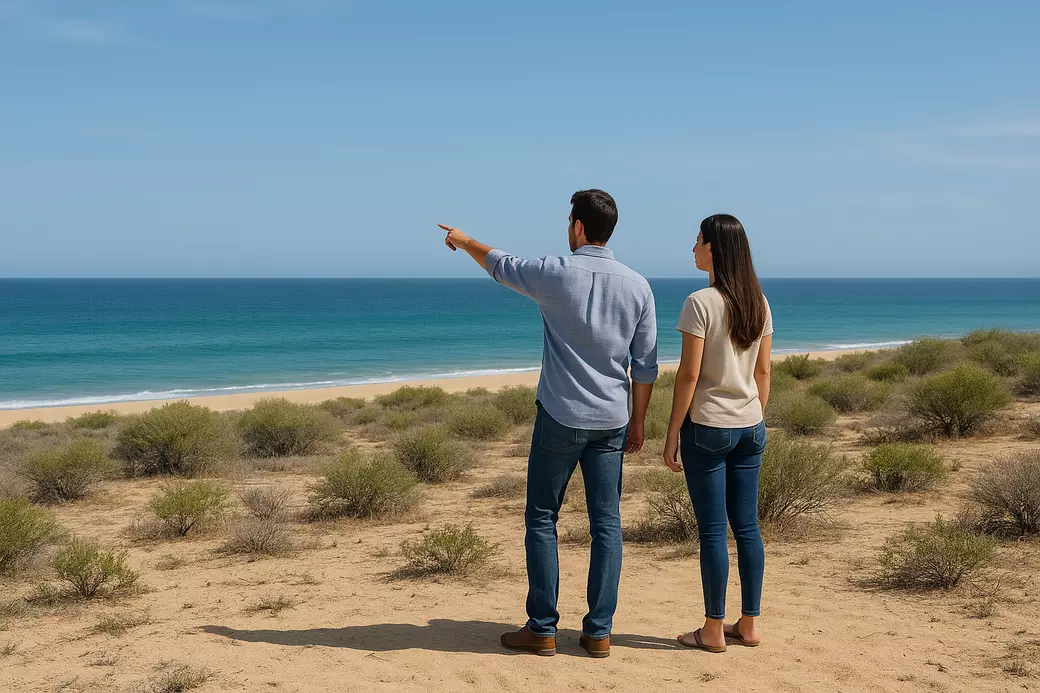
If someone buys a large parcel of land—say five hectares (about 12 acres)—a common question is how difficult it is to subdivide that land into individual lots for resale. The good news is that subdividing is not usually very difficult, but it does require careful planning and compliance with local regulations.
The first step is to check the urban development plan for the area. Every municipality, including Cabo, divides its land into zones that dictate what can be built there: residential homes, commercial areas, hotels, or mixed-use. The plan also establishes the subdivision rules—for example, the minimum lot size, required street access, and the required frontage for each lot. You can’t simply split land into as many parcels as you want; the plan sets clear limits.
If your subdivision complies with the existing zoning rules, the process is relatively straightforward and usually takes between 6 to 12 months. However, if you want to create smaller lots or exceed the density allowed in the urban plan, the process becomes more complicated. In that case, you must go before the Cabildo Municipal (town council), which will analyze whether the change benefits the community. Only if the project is shown to bring clear advantages to the town will they consider approving an exception.
As for costs, they depend largely on the number of lots being created. You’ll need to cover the official fees for subdivision rights as well as professional services, such as the deslinde (land survey) and the work of expert appraisers (peritos), who charge their own fees. If your project requires municipal or federal approvals—especially in cases where zoning doesn’t allow your desired subdivision—costs can rise significantly.
When it comes to the most difficult types of land to work with, ejido land is often challenging, but it can eventually be privatized if the community agrees. By contrast, environmentally protected areas are the most complex to change. These lands are prioritized for conservation, and while exceptions are not impossible, they require extensive federal approvals. Developers must commit to strict, long-term environmental obligations, such as replanting trees (often two or three times the number removed), relocating wildlife, and maintaining ecological programs that can last for decades.
The bottom line: subdividing land in Mexico can be a smooth process if you stay within the framework of the urban development plan. But once you step outside those limits—especially into protected zones—it becomes far more complex, costly, and time-consuming.
Alejandro Donnadieu – alejandro@caborealestate.com
Mariana Plowes - mph@bajalegalgroup.com
Categories
- All Blogs (229)
- Agent Training (5)
- Cabo Golf (12)
- Cabo Legal (36)
- Cabo Real Estate (100)
- Cabo Restaurants (3)
- Commercial Real Estate in Cabo (4)
- Construction (18)
- Destination News (21)
- East Cape (7)
- Financing (3)
- Land Banking (2)
- Loreto (2)
- Luxury Homes in Cabo (11)
- Market Report (5)
- Mulege (2)
- Neighborhoods (3)
- Pre-Construction (17)
- Remexico Real Estate Agents (3)
- Residency (2)
- Sports (6)
- Taxes (5)
- Todos Santos (7)
Recent Posts





GET MORE INFORMATION
