
Evictions in Mexico

In Mexico, screening tenants carefully up front is always the better approach because the eviction process is long, costly, and frustrating. Proper due diligence—such as verifying income, employment, references, and ideally requiring a guarantor (aval) who owns property in Mexico—significantly reduces risk. Some landlords also use surety bonds, though they can be expensive, and it is always wise to have a lawyer review the lease to ensure it clearly spells out payment dates, penalties, and termination conditions.
If eviction does become necessary, landlords should be prepared for delays and challenges. Courts in areas like Los Cabos face thousands of new cases every year, with only a fraction resolved quickly. Tenants are heavily protected under the law, and since they are already in possession, landlords cannot simply remove them or change the locks. Instead, the process must go through the civil courts, which can take anywhere from six months to two years. In practice, the most a landlord usually recovers is possession of the property so it can be rented again, not the unpaid rent. For that reason, it is far more effective to focus on screening and securing reliable tenants rather than relying on the courts to solve problems later.
For long-term rentals in Mexico, it’s important to collect a security deposit along with at least one month of rent upfront. The deposit helps cover potential damages or unpaid rent, while the first month’s rent ensures the tenant is financially committed from the start. This practice not only provides financial protection but also sets clear expectations with the tenant about responsibility and seriousness in honoring the lease agreement.
Fletcher Wheaton - fletcher@remexico.com
Categories
- All Blogs (222)
- Agent Training (5)
- Cabo Golf (12)
- Cabo Legal (33)
- Cabo Real Estate (98)
- Cabo Restaurants (3)
- Commercial Real Estate in Cabo (4)
- Construction (18)
- Destination News (21)
- East Cape (7)
- Financing (3)
- Land Banking (2)
- Loreto (2)
- Luxury Homes in Cabo (11)
- Market Report (5)
- Mulege (2)
- Neighborhoods (3)
- Pre-Construction (17)
- Remexico Real Estate Agents (1)
- Residency (2)
- Sports (6)
- Taxes (5)
- Todos Santos (7)
Recent Posts

Peso Loans, Dollar Deals in Cabo Real Estate: Currency Risk at Closing

Winning Listings in Los Cabos: Why Expertise Matters More Than the Sales Pitch
Why People Keep Moving to Los Cabos: 10 Years In With Our Broker

When a Mexican National Buys Real Estate From a U.S. Seller, What Happens to the Fideicomiso?
Land Is the Hardest Thing to Sell in Baja and Here's When It Works

Do You Need Two Fideicomisos for Land and a House Built in Mexico?

What Happens to Your Mexican Property When You Die — And Why a Fideicomiso Changes That

Quivira to Todos Santos: Breaking Down the Pacific Real Estate Market
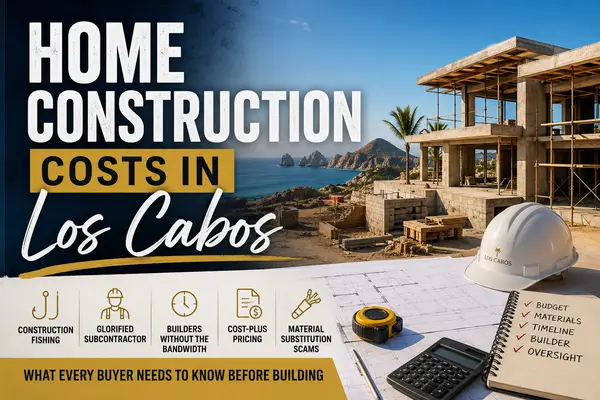
5 Ways Builders Are Quietly Overcharging You in Cabo
El Tezal: One Neighborhood, 149 Sales, 12% of the Entire Los Cabos Market
GET MORE INFORMATION
