
Why Are There So Many Unfinished or Dilapidated Buildings in Mexico?
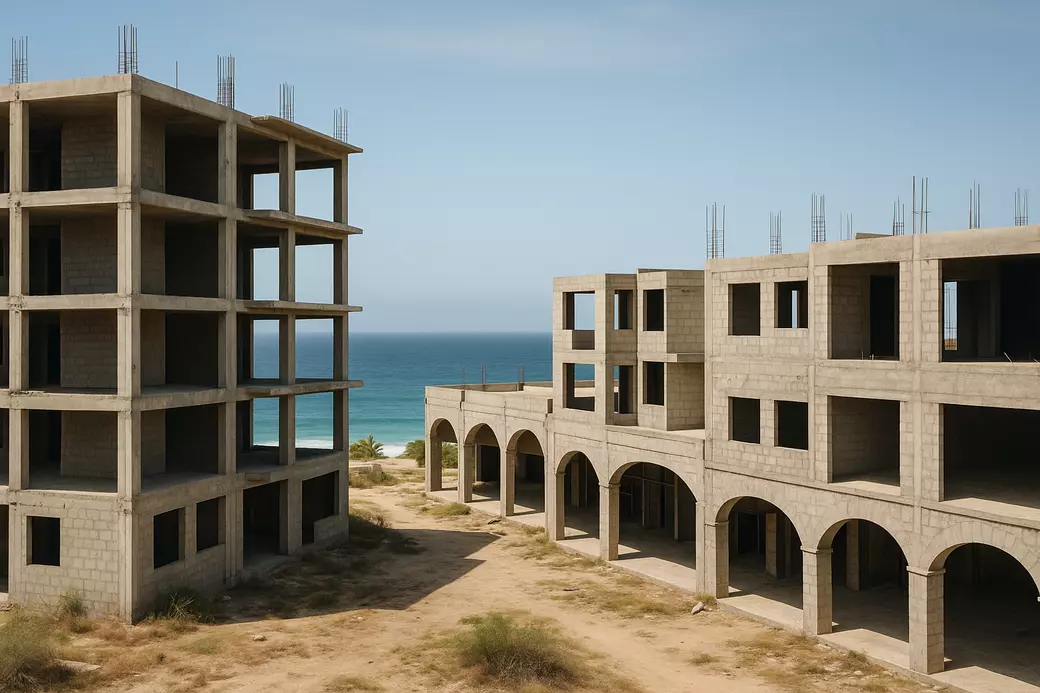
When I’m out on property tours in Los Cabos, clients often ask me the same question. We’ll drive past a half-built condo tower or an abandoned-looking structure, and someone will say: “Why isn’t anyone fixing that up? Back in the U.S., an investor would buy it, renovate it, and turn it into something valuable. Doesn’t it hurt the neighborhood to just let it sit there?”
It’s a fair question, and the answer is more complicated than it looks from the outside.
Why Projects Stop in the First Place - An unfinished project in Mexico almost always has a story behind it. Construction may have started with great intentions, but somewhere along the way, financing dried up, partnerships dissolved, or costs ballooned beyond expectations. In some cases, developers miscalculated demand, especially if they built large amenities like golf courses before securing enough sales to sustain the project.
When this happens, construction halts—and the longer it sits, the more complicated things get.
The Role of Legal and Political Interests - Unlike in the U.S., where distressed assets are often quickly purchased and redeveloped, the Mexican system adds layers of complexity. One of the biggest hurdles involves unions and workers’ rights. If construction workers were laid off without receiving full wages or benefits, those claims don’t go away. Under Mexican law, labor obligations take priority. Over time, unpaid wages and penalties snowball into amounts that can exceed the value of the unfinished asset itself.
Add to this potential disputes with lenders, political interests, or internal conflicts among investors, and the project becomes a legal tangle that few developers want to touch.
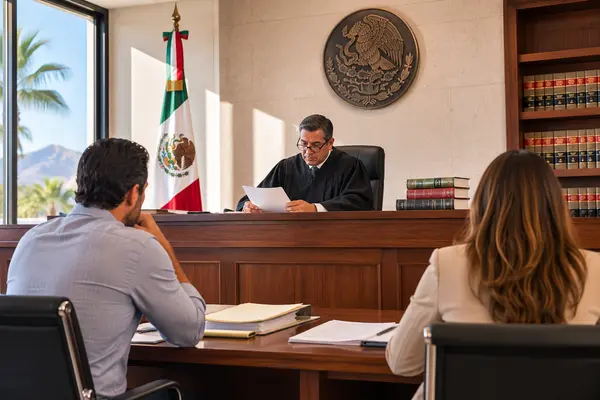
Why the Government Doesn’t Step In - Another question clients ask is: “Can’t the government do something about it?” The reality is that unfinished private projects are considered matters between private parties. The government generally doesn’t intervene to resolve disputes, restructure debts, or force a sale. That leaves it up to developers, lenders, unions, and sometimes courts to sort things out—a process that can drag on for years.
The good news is that many of these projects don’t stay abandoned forever. Cabo has several examples of developments that stalled, changed hands multiple times, and eventually got completed once new financing or new partners came on board. Still, it’s rarely quick. Some projects have cycled through three or even four different developers before reaching the finish line.
In the meantime, it’s the early buyers, golf club members, or initial investors who suffer the most—left waiting for a resolution that can take far longer than they ever anticipated.
When you see an abandoned building in Los Cabos or anywhere in Mexico, it’s usually not a case of neglect or lack of opportunity. It’s almost always tied to financial disputes, labor claims, or stalled partnerships that make restarting the project incredibly difficult.
For buyers, the lesson is clear: pre-construction can be a great investment in the right project, but due diligence is essential. Look at the developer’s track record, financing structure, and sales progress. Ask questions about how payments are scheduled and whether funds are tied to construction milestones. And work with experienced professionals who can help you spot red flags before you commit.
Fletcher Wheaton – fletcher@remexico.com
Real Estate Attorney in Cabo – www.jetzlaw.com
Categories
- All Blogs (229)
- Agent Training (5)
- Cabo Golf (12)
- Cabo Legal (36)
- Cabo Real Estate (100)
- Cabo Restaurants (3)
- Commercial Real Estate in Cabo (4)
- Construction (18)
- Destination News (21)
- East Cape (7)
- Financing (3)
- Land Banking (2)
- Loreto (2)
- Luxury Homes in Cabo (11)
- Market Report (5)
- Mulege (2)
- Neighborhoods (3)
- Pre-Construction (17)
- Remexico Real Estate Agents (3)
- Residency (2)
- Sports (6)
- Taxes (5)
- Todos Santos (7)
Recent Posts




GET MORE INFORMATION
