

Homes for Sale in Los Cabos
Luxury homes and condos for sale across Baja California Sur
Homes for Sale Across Baja California Sur
Cabo real estate market

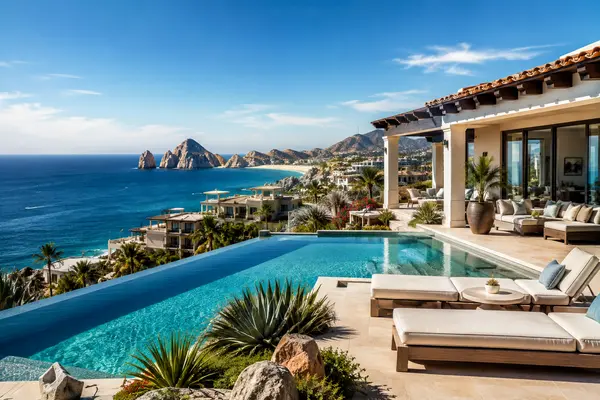
A little Spanish colonial charm on the Pacific side of Pedregal. 🌊
We're getting something special ready for the market!
Featuring 5 bedrooms, 6 bathrooms, a stunning pool, authentic Mexican architecture, and an impressive rental history, this home brings together timeless character and investment potential.
📍 Pedregal | Cabo San Lucas
.
.
.
#Pedregal #CaboSanLucas #ComingSoon #CaboRealEstate #REMexico #LuxuryRealEstate

A veces un correo cambia el enfoque
Crecer implica salir de nuestra zona de confort, enfrentar nuestros miedos y atrevernos a tomar riesgos.
Para Alejandro Donnadieu, mantenerse abierto al cambio y a nuevas oportunidades lo llevó a comenzar una etapa inesperada en Los Cabos como agente de bienes raíces
A veces, una decisión tan sencilla puede abrir la puerta a grandes oportunidades.
🎙️ Conoce a Alejandro y descubre la historia detrás de su llegada a REmexico Real Estate.
.
.
.
#REmexico #MeetTheTeam #AlejandroDonnadieu #LosCabosRealEstate #TheBajaBrief


🌵 NEW LISTING | LA AHORCADITA, TODOS SANTOS
A little more space. A little more privacy. A different pace of life in Baja.
Discover this 1,000 m² homesite just outside Todos Santos, offering the perfect balance between peaceful surroundings and easy access to town.
With gentle natural elevation and beautiful views of the surrounding landscape, this property offers endless possibilities to create your own Baja retreat—from a custom residence to a vacation home with a pool, gardens, and inviting outdoor living spaces.
Your vision. Your space. Your Baja lifestyle.
📍 La Ahorcadita | Todos Santos, BCS
📩 Contact us to learn more about this opportunity.
🌐 caborealestate.com
marketing@caborealestate.com
.
.
.
#NewListing #TodosSantos #LaAhorcadita #BajaCaliforniaSur #TodosSantosRealEstate #LandForSale #BajaLifestyle #REMexico #LosCabosRealEstate

Marina living, elevated. 🌊✨
Welcome to 1Homes Hacienda, Residence 6402, where sophisticated design meets the beauty of Cabo San Lucas.
This stunning 2-bedroom + den residence features custom furnishings, upgraded interiors, smart home technology, and an expansive wraparound terrace with spectacular views of Land’s End.
Fully furnished and move-in ready, this is resort-style living with all the comforts of home.
📍 1Homes Hacienda | Cabo San Lucas Marina
Your next chapter in Cabo starts here. Discover Residence 6402 and schedule a private tour.
#REMexicoRealEstate #1HomesHacienda #CaboSanLucas #LosCabosRealEstate #LuxuryRealEstate #MarinaLiving #CaboLifestyle

NEW LISTING | COPALA VILLA 71 🌴
Your Cabo lifestyle starts here.
Located in the prestigious Quivira community, this beautifully designed corner villa combines comfort, character, and resort-style living.
✨ Professionally curated interiors & custom furnishings
🌿 Beautifully landscaped private outdoor spaces
🌅 Rooftop terrace with stunning Cabo views
⛳ Access to world-class golf at Quivira Golf Club
🌊 Resort-style amenities, including beach club, pools, spas & more
Whether you're looking for a full-time residence, a vacation getaway, or an investment opportunity, Villa 71 offers more than a home, it offers the Cabo lifestyle.
📍 Copala at Quivira | Cabo San Lucas
Interested in making it yours? DM us for details or schedule a private showing.
marketing@caborealestate.com
+52 624 218 4534
.
.
.
#NewListing #CopalaQuivira #QuiviraLosCabos #CaboRealEstate #LosCabosRealEstate #LuxuryRealEstate #CaboSanLucas #REMexico

Buying the home is one number. Owning it is another.
At Paradero Homes, ongoing costs can vary depending on the residence, occupancy, and season which is why prospective homeowners receive a detailed breakdown based on their specific scenario.
Some of the recurring costs discussed include landscaping, pool cleaning, and housekeeping inspections, all designed to help maintain the home over time.
Because before buying a property in Baja, it’s important to understand what ownership actually looks like beyond the purchase price.
🎙️ More from Francesco Lee’s conversation with Monica at Paradero Homes.
Contact Us
marketing@caborealestate.com
+52 624 218 4534
#ParaderoHomes #TodosSantos #BajaCaliforniaSur #BajaRealEstate #MexicoRealEstate #PropertyOwnership #BuyingInMexico #REmexico

It’s October so that means it’s Bisbee’s season in Cabo. Since 1981 the Bisbee’s Tournament has developed into the world’s premier deep sea fishing tournament. With cash prizes in the millions of dollars, fishermen from all over flock to Cabo in hopes of catching the big one and winning big.
During the tournament, the marina comes alive and transforms into something like a carnival with pop up shops and drink stations sponsoring the event. Each weigh in brings excitement as onlookers gather to see if this fish is going to be the big winner.
So if you’re in Cabo between October 12-26 be sure to stop by the marina and see if you can catch some of the excitement, and who knows, you might get to see that million dollar fish come in.
Contact Us
Shannon Ploeger
+1 (713) 628‑2304
shannon@caborealestate.com
.
.
.
#FishingTournament #BisbeesTournament #FishingLife #FishingSeason #CaboMarina
View More

GET MORE INFORMATION
