
The US Dollar and Mexican Peso in Mexican Real Estate
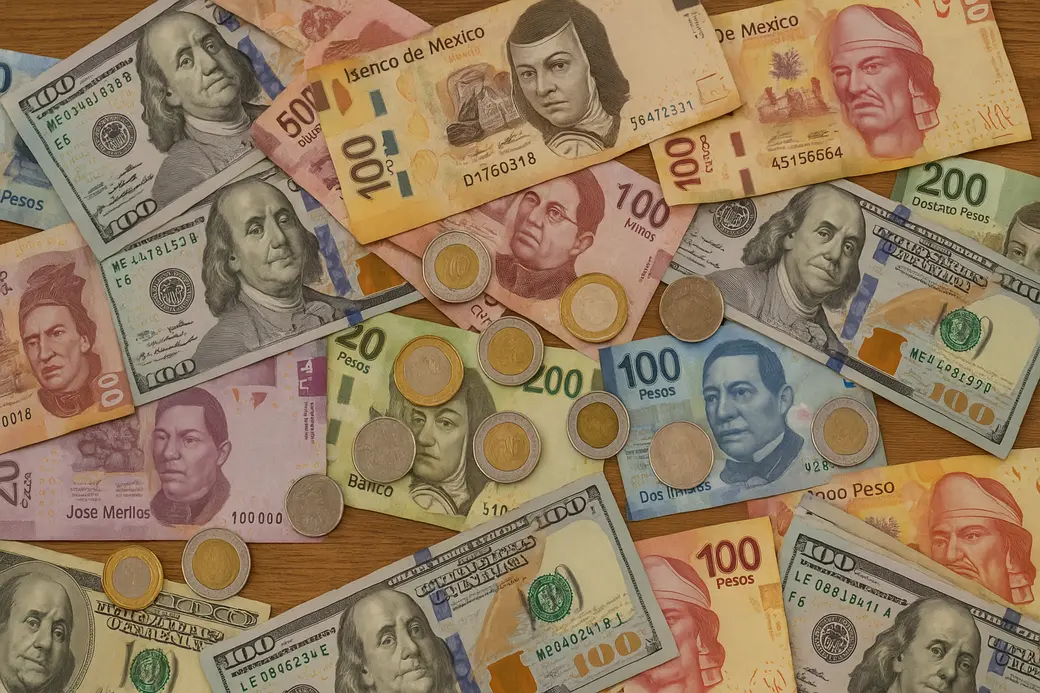
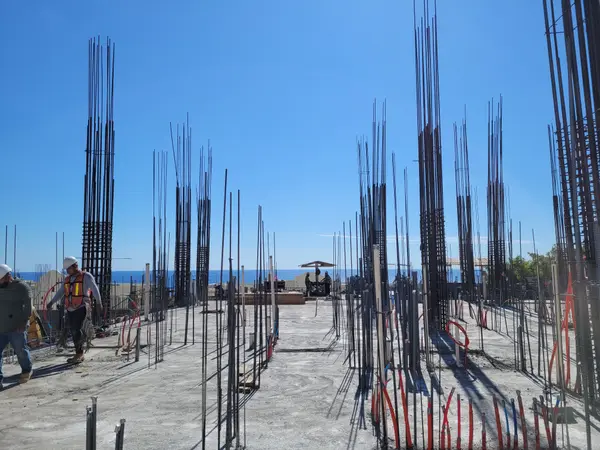
In Cabo, the real estate market is priced in U.S. dollars, but what many Americans and Canadians don’t realize is that everything on the construction side—labor, materials, permits, and licensing—is paid in pesos. This creates serious risk when exchange rates shift. For example, some pre-construction projects were underwritten at 20 pesos to the dollar. If the rate drops to 16.5, that’s essentially a 25% haircut. In real terms, if you gave a developer $400,000 for a condo, today that’s worth closer to $310,000 once converted to pesos. When you look at it that way, the risk becomes clear—especially in a competitive, rising market like Cabo, where multiple projects are launching at once. Developers facing these shifts are forced to raise prices just to keep their numbers whole. So while buyers see property values climbing, a major driver is the exchange rate itself. To get the same $400,000 in pesos today, developers may need to charge $450,000 to $470,000, which pushes prices higher across the board.
Currency swings can have a major impact on construction costs. I recently spoke with someone who was building a home in Cabo. He was paying his contractor in dollars every couple of weeks over the course of a year. During that time, the peso strengthened significantly against the dollar. The result? His build ended up costing $150,000 more than originally budgeted. It wasn’t due to poor planning, contractor mistakes, or inflated pricing—everything had been carefully calculated from the start. The added expense came purely from the shift in exchange rates.
This experience reflects a growing reality in Los Cabos, where many developers are now pricing their projects in pesos. By doing so, they pass the currency risk on to the buyer. That might sound alarming, but it’s important to remember that currency fluctuations work both ways. When the peso strengthens, American and Canadian buyers end up paying more in dollar terms. But if the peso weakens, buyers could actually benefit. At today’s level of 16.5 pesos to the dollar, many expect a rebound back toward 20. Then again, it could just as easily move further in the peso’s favor. The point is, nobody can predict with certainty.
For buyers paying in U.S. dollars, this is a crucial factor to understand. Currency volatility can either eat into your budget or work in your favor, and developers are increasingly shifting that uncertainty away from themselves and onto their clients.
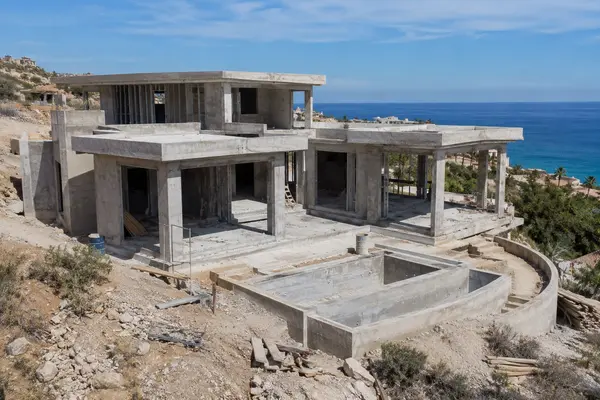
Over the past 12 months, construction and labor costs have also risen significantly across Baja, compounded by the unfavorable exchange rate. Together, these forces have pushed project expenses higher and driven consumer housing prices to levels that are, in some cases, unsustainable. A clear example is the Azula project, which has been indefinitely suspended. Azula was led by a reputable American-style builder who openly admitted that under current conditions the project could not be executed. That level of transparency is rare. Many other projects continue forward not because the numbers work, but because of ego—or the belief that “our project is different.”
All of this means buyers need to be careful. The safest path is working with someone who truly understands the lay of the land and can properly vet opportunities. Buying a completed home or condo is an entirely different scenario, but even then, prices have risen sharply. Construction today is far more expensive than it was pre-pandemic, and building is anything but cheap.
Currency risk remains one of the biggest challenges for developers. I’ve heard of a project on the Pacific side, in the Quivira area, that has lost roughly $40 million purely because of the peso-to-dollar exchange rate. Even scaled down to a smaller project of just a few million dollars, the hit would still be enormous. That’s how significant currency fluctuations can be in this market.
At the same time, inventory levels across Baja are shifting. Before the pandemic, the MLS held around 4,000 listings spanning the entire peninsula, including land, condos, homes, and commercial properties. That number dropped all the way down to about 800 at the peak of demand. As of just recently, inventory has climbed back up to roughly 2,050 properties. It’s an interesting moment: costs are rising, projects are under pressure, and inventory is rebuilding from historic lows—all of which creates both opportunities and risks for buyers and investors.
The bottom line is that this can still be a great time to buy in Cabo. There’s more inventory on the market, and buyers can find excellent deals. But when it comes to pre-construction, caution is key. Only work with proven, established builders—because the peso-to-dollar dynamic has introduced risks that many people don’t fully appreciate. If you’re buying pre-construction, you should be looking for at least a 25% upside to make the risk worthwhile. That’s a conservative benchmark, but an important one. If currency pressure alone can erase those gains, you need to ask whether the ground-up investment really makes sense.
What concerns me most is that some developers are still underwriting projects at 20 pesos to the dollar, assuming the exchange rate will “go back.” The reality today is 16.6, and building financial assumptions on aggressive projections is dangerous. For buyers, the safest move is to work with developers who understand these risks and can actually deliver. If you’re considering Cabo, now is a good time to enter the market—but do it with eyes open, work with people who know the terrain, and make sure the numbers add up.
For help understanding risk in the Cabo real estate market, contact Fletcher Wheaton - fletcher@remexico.com
Categories
- All Blogs (207)
- Agent Training (4)
- Cabo Golf (11)
- Cabo Legal (29)
- Cabo Real Estate (94)
- Cabo Restaurants (3)
- Commercial Real Estate in Cabo (3)
- Construction (17)
- Destination News (21)
- East Cape (7)
- Financing (3)
- Land Banking (1)
- Loreto (1)
- Luxury Homes in Cabo (11)
- Market Report (4)
- Mulege (1)
- Neighborhoods (2)
- Pre-Construction (16)
- Residency (2)
- Sports (6)
- Taxes (5)
- Todos Santos (6)
Recent Posts




GET MORE INFORMATION
