
Residency in Mexico for Foreigners
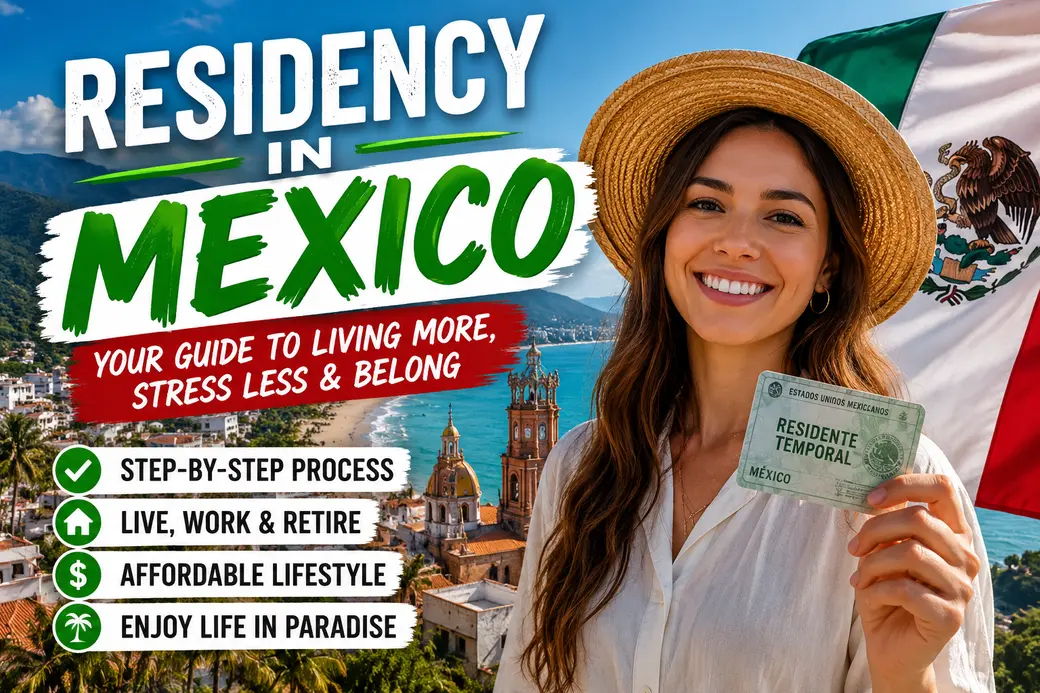
One of the biggest questions foreigners ask before moving to Mexico is: How do residency requirements actually work? The good news is that Mexico offers relatively accessible pathways for foreigners who want to spend extended time in the country, purchase property, retire, invest, or live here full-time. However, the process can still be confusing, inconsistent, and frustrating if you do not prepare properly.
According to local immigration officials in Los Cabos, there are thousands of foreign residents currently living legally in the municipality, with many more spending part of the year in Mexico under tourist permits.
The Two Main Types of Residency
Mexico primarily offers two forms of residency for foreigners:
Temporary Residency
Temporary residency is designed for people who want to stay in Mexico longer than the standard tourist allowance. Tourist permits are generally granted for up to 180 days, although the final decision is made by immigration officers upon entry into the country.
Temporary residency is commonly used by:
- Snowbirds spending part of the year in Mexico
- Remote workers
- Retirees testing out full-time living
- Property owners
- Individuals with family or business ties in Mexico
Temporary residency can typically be renewed annually and eventually converted into permanent residency after four years.
Permanent Residency
Permanent residency is generally intended for people planning to live in Mexico long term. This is often the preferred option for retirees, established property owners, business owners, or foreigners who intend to make Mexico their primary home.
After holding temporary residency for four consecutive years, most foreigners become eligible to apply for permanent residency.
Start the Process in Your Home Country
One of the most common mistakes foreigners make is flying to Mexico first and attempting to begin the residency process locally without having the correct documentation. This often leads to delays, frustration, and additional travel expenses.
In most cases, it is significantly easier to begin the process through a Mexican consulate in your home country before arriving in Mexico. This allows you to:
- Gather missing documents more easily
- Correct inconsistencies in paperwork
- Obtain financial records
- Schedule appointments while still at home
Once approved through the consulate, applicants receive a residency sticker in their passport. They then travel to Mexico and complete the final exchange process with immigration authorities locally.
This approach is usually faster, cheaper, and less stressful.
Consulates Are Not Always Consistent
An important reality foreigners should understand is that Mexican consulates do not always operate identically. Different consulates may request different documentation, different lengths of bank statements, or slightly different financial requirements.
For example:
- One consulate may request 12 months of bank statements
- Another may request only six months
- Another may request only three months
Smaller consulates in cities such as McAllen, Laredo, or Salt Lake City are sometimes viewed as easier to navigate than extremely busy offices in larger cities like Los Angeles.
The key takeaway is simple: verify the exact requirements directly with the specific consulate where you plan to apply.
Financial Requirements
Residency approval is generally tied to proof of income or savings. The exact numbers fluctuate based on Mexican government calculations tied to the UMA (Unidad de Medida y Actualización), which can change yearly.
At the time of this interview, approximate requirements mentioned were:
Temporary Residency
- Monthly income around $4,400 USD
or - Savings/investments around $74,000 USD
Permanent Residency
- Monthly income around $7,400 USD
or - Savings/investments around $300,000 USD
These numbers may vary depending on the consulate and the current UMA calculations, so applicants should always confirm updated requirements before beginning the process.
A Major Mistake That Can Cost You Your Residency
One of the most important warnings for foreign residents involves entering Mexico incorrectly after already obtaining residency.
If you already hold temporary or permanent residency and accidentally enter Mexico as a tourist, immigration authorities may consider your residency status abandoned or invalid.
Foreign residents should:
- Enter through the resident line, not the tourist line
- Inform immigration officers they are residents
- Avoid receiving a tourist stamp in their passport
This mistake is more common than many people realize, especially among travelers who are tired, distracted, or unfamiliar with the process.
Should You Hire Professional Help?
For some people, the process is straightforward enough to handle independently, especially if:
- They speak some Spanish
- Their finances are simple
- Their documents are organized
- They are comfortable navigating online systems
However, for others, hiring a professional facilitator or immigration specialist can save considerable time and frustration.
This is especially true if:
- You do not speak Spanish
- You have multiple income sources or investments
- Your paperwork contains inconsistencies
- You are unfamiliar with foreign government systems
- You simply want to avoid unnecessary headaches
Citizenship Is a Separate Process
Residency and citizenship are not the same thing. Citizenship generally requires:
- Permanent residency status
- Multiple years of living legally in Mexico
- Additional testing and documentation
Applicants under 60 years old may be required to pass exams covering Mexican history, politics, culture, and language.
For many foreigners, permanent residency is more than sufficient and provides the flexibility they need without pursuing full citizenship.
Final Thoughts
Mexico continues to attract retirees, investors, remote workers, and full-time residents from around the world. While the residency process may seem intimidating at first, it is manageable when approached properly.
The biggest advice is simple:
- Start the process early
- Verify requirements directly with your consulate
- Make sure all documents match exactly
- Do not assume every office follows identical procedures
- Avoid rushing the process
Like many things in Mexico real estate and relocation, preparation and patience usually solve most problems.
Buy real estate in Cabo with Fletcher Wheaton - fletcher@remexico.com
Categories
- All Blogs (232)
- Agent Training (5)
- Cabo Golf (12)
- Cabo Legal (36)
- Cabo Real Estate (101)
- Cabo Restaurants (3)
- Commercial Real Estate in Cabo (4)
- Construction (18)
- Destination News (21)
- East Cape (8)
- Financing (3)
- Land Banking (2)
- Loreto (2)
- Luxury Homes in Cabo (11)
- Market Report (5)
- Mulege (2)
- Neighborhoods (3)
- Pre-Construction (17)
- Remexico Real Estate Agents (4)
- Residency (2)
- Sports (6)
- Taxes (5)
- Todos Santos (7)
Recent Posts






GET MORE INFORMATION
